
World Sailing Day — Berthon and the Long Tide of Sailing History
May 27th, 2026
“To desire nothing beyond what you have is surely happiness. Aboard a boat, it is frequently possible to achieve just that. That is why sailing is a way of life, one of the finest of lives.” – Carleton Mitchell
On the 28th of May each year, World Sailing Day will now celebrate something far older than racing calendars, polished marinas, or carbon fibre hulls with foils to fly just below water levels. It celebrates humanity’s ancient urge to leave the shore.
Long before GPS, engines, or even maps, people looked at the horizon and decided to explore the seas and oceans.
Wikipedia helps us to understand the earliest evidence of sailing dating back over 5,000 years to Ancient Egypt, where reed and wooden sailing vessels travelled the Nile using square sails to harness the wind. Across the Pacific, Polynesian navigators crossed thousands of miles of open ocean guided only by stars, swell patterns, birds, and memory. The Vikings carried square-rigged longships across the North Atlantic. By the Age of Sail in the mid-15th century, vast fleets connected continents, built empires, traded goods, carried migrants, and occasionally disappeared entirely into storms and myth.
Sailing shaped the world long before tarmac roads ever did but in the early 19th Century steamboats appeared and engines took over sails. However, at the same time, gentlemen and their ladies jumped on board to enjoy sailing races and regattas, continuing today in dinghies to Superyachts, GP catamarans to foiling monohulls at recent America’s Cups.
And here in Lymington, on a stretch of riverbank mentioned in the Domesday Book, Berthon became part of that story.
A Yard Built on Mud, Tide, and Persistence
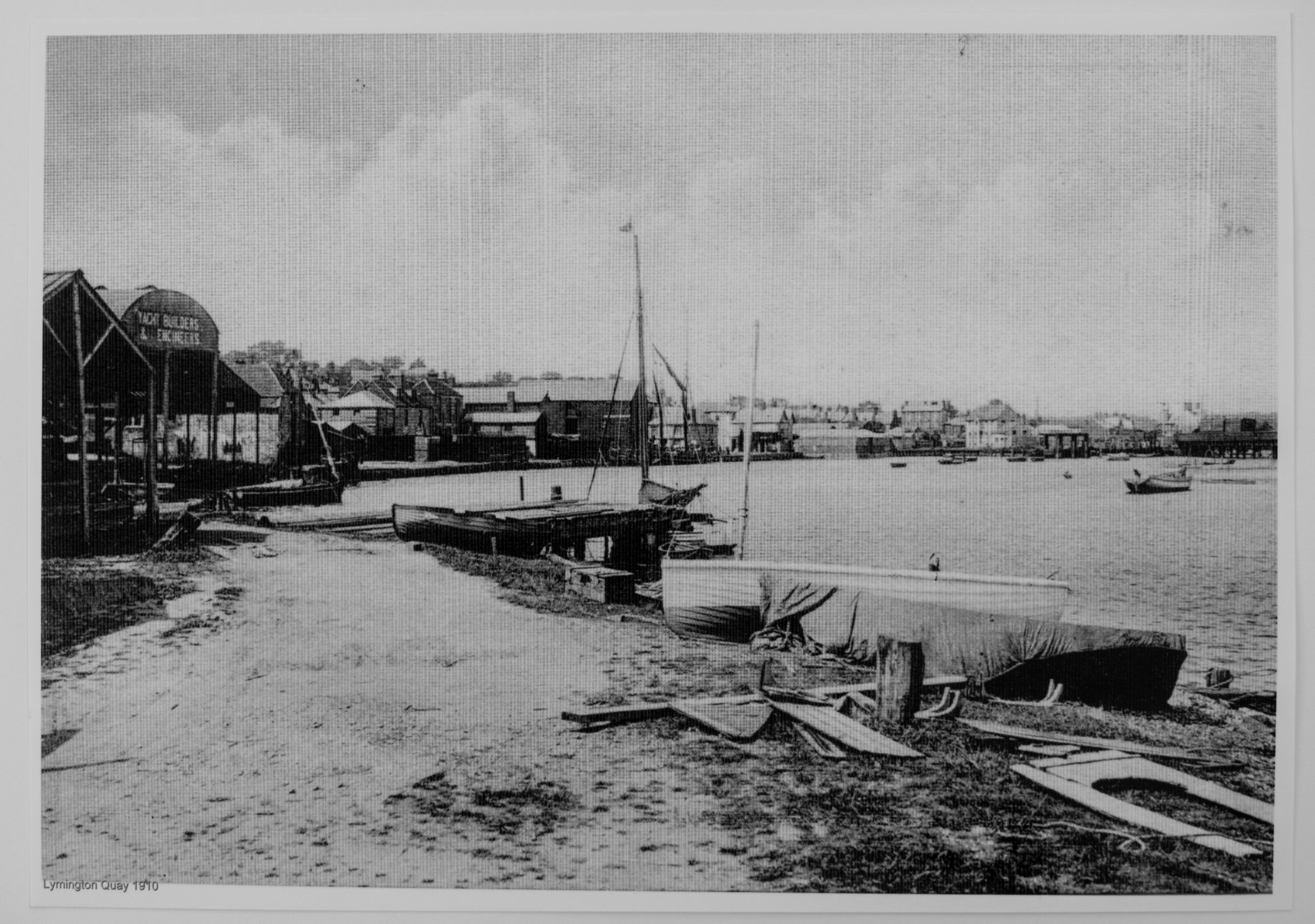
Berthon Shipyard & Lymington Quay 1910
Berthon has traded continuously since 1877, though the site itself reaches much further back into history.
Lymington Shipyard was believed to have been active since Roman times. During the reign of Edward I, between 1272 and 1307, the yard supplied nine ships to the Defence of the Realm, reportedly more than Portsmouth itself. In 1667, shipbuilder John Coombes purchased the site, described in wonderfully bleak legal language as: “all that piece of mud or sea oozy land…” Not exactly luxury waterfront marketing.
But it was from this muddy edge of the Solent that generations of shipwrights built working vessels, customs cutters, pilot boats, gentleman’s yachts, lifeboats, and ocean-going craft that would travel far beyond Hampshire waters.
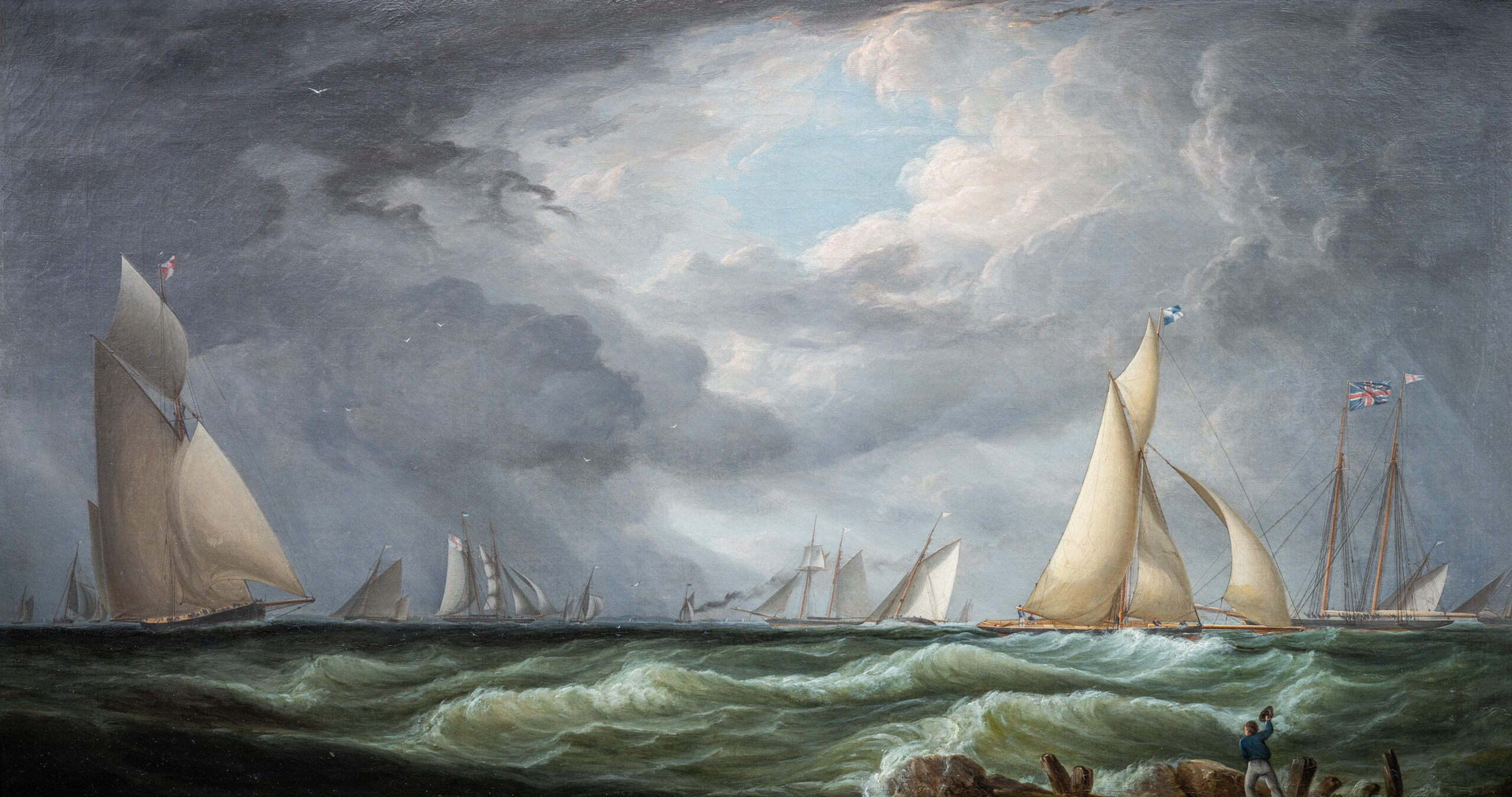
In the early 1800s, Thomas Inman took ownership of the yard and built some of Britain’s finest sailing yachts. Among them were Alarm, Arrow, and Lulworth. Yachts that raced against the schooner America around the Isle of Wight in 1851, in the event that would become the foundation of the America’s Cup.
Even then, Lymington was already tied to sailing history.
The Reverend Who Changed Lifeboats Forever
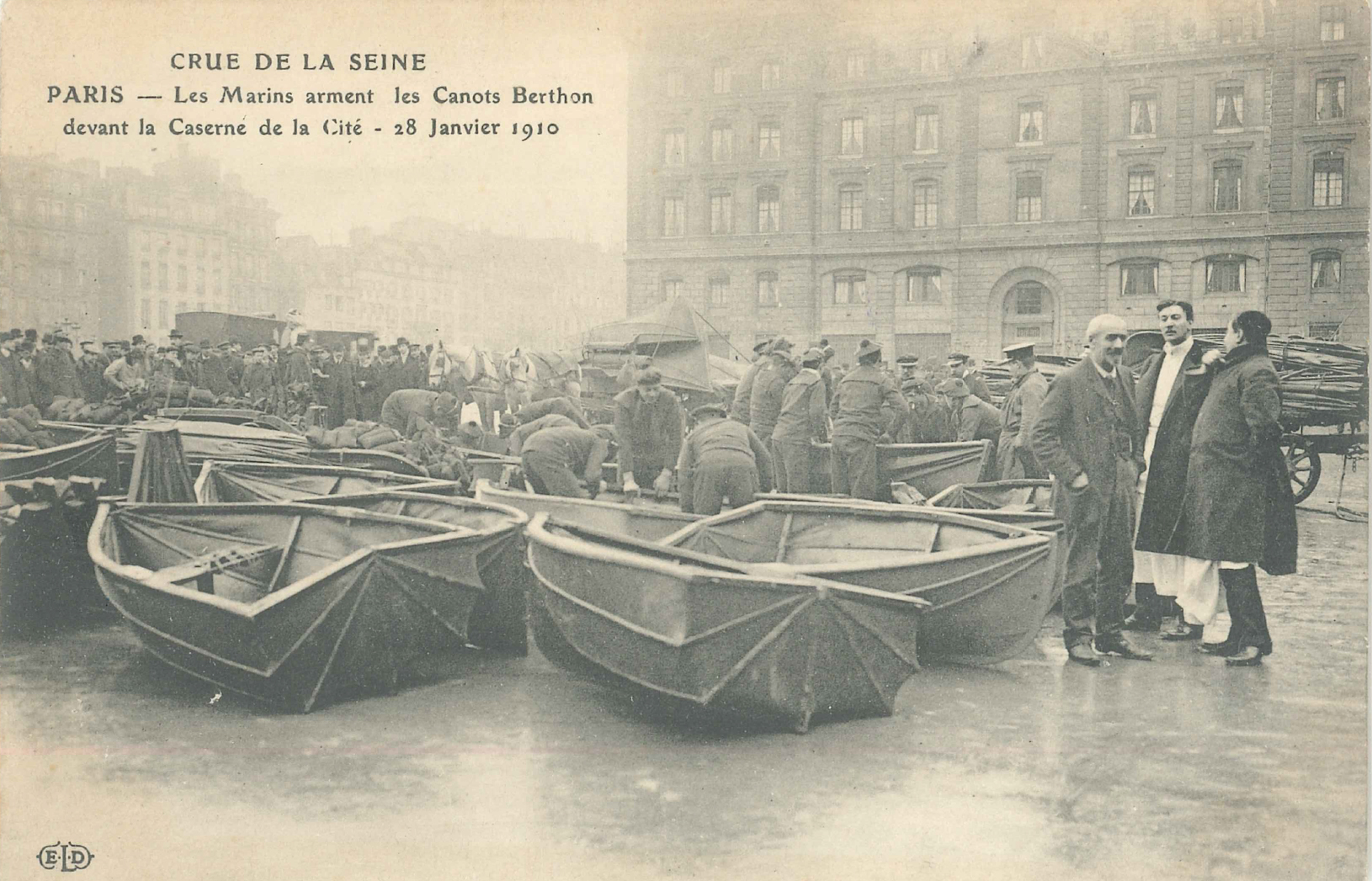
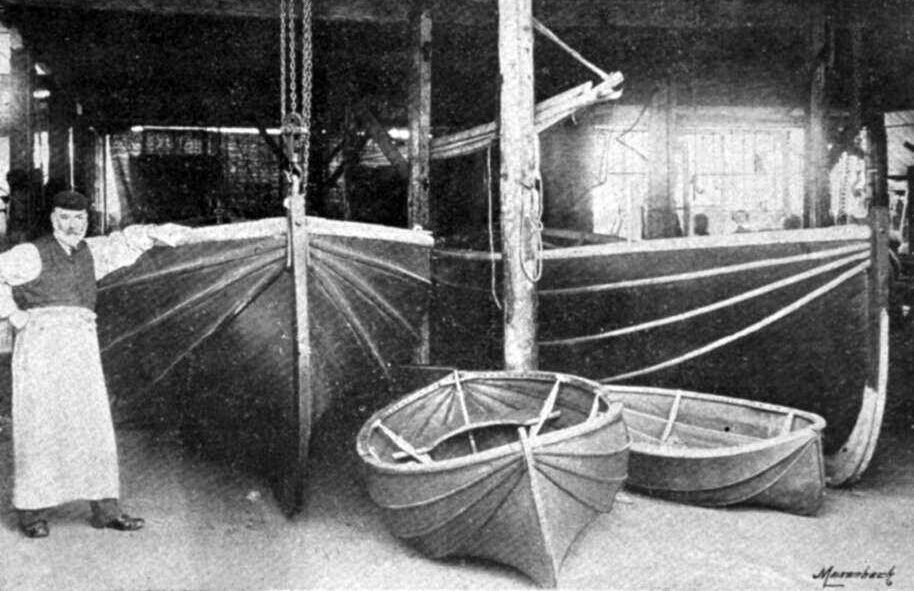
The Berthon name itself comes from Reverend Edward Lyon Berthon. Inventor, clergyman, and unapologetic nautical obsessive.
Ordained in Lymington in 1845, Berthon became consumed by improving maritime safety after the wreck of the SS Orion in 1849, where over 100 people drowned. His response was the invention of the Berthon Collapsible Lifeboat: a portable canvas-and-timber craft designed to save lives aboard overcrowded ships.
It was ingenious, practical, slightly eccentric, and entirely rooted in the Victorian belief that problems could be solved through engineering and persistence. In many ways, it established something that still survives at Berthon today: a respect for craftsmanship balanced with innovation.
Fortuna — A Schooner Built for the World
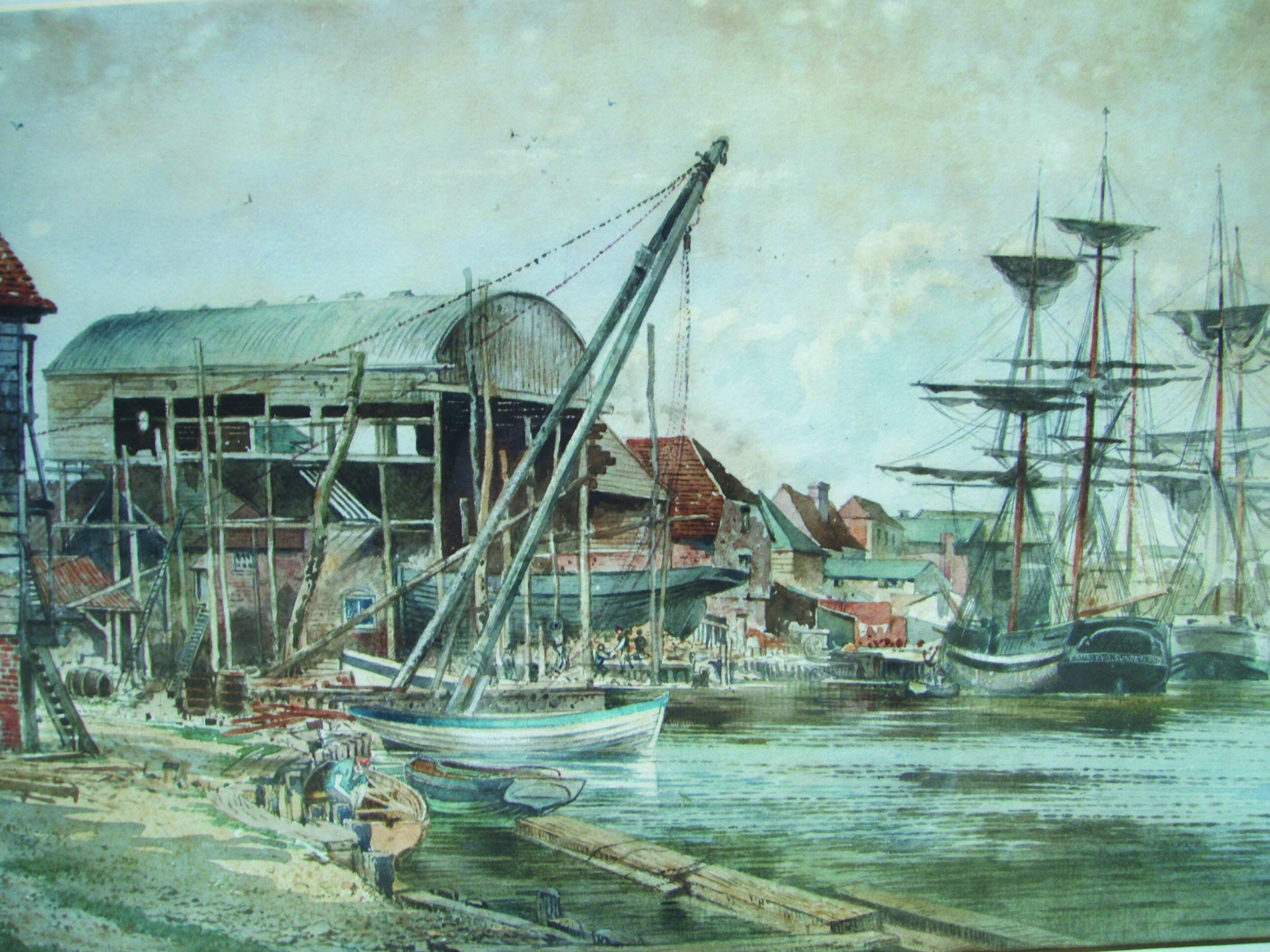
Schooner FORTUNA being built at Inmans Boatyard Lymington 1876
Few vessels capture that spirit better than the schooner Fortuna.
Built at Inman’s Lymington Shipyard in 1876/77 for Royal Yacht Squadron member Adrian Elias Hope, Fortuna was no small local yacht. She was a 130-foot schooner of 366 Thames tons, fitted with Lapthorn sails and designed for serious passage making. She cruised extensively around Britain and the Mediterranean during her early years, earning a reputation as a capable and elegant offshore schooner. In 1886, she survived severe weather off the Isle of Wight and was dismasted during a gale near Shanklin Bay before making to safety.
But Fortuna’s real story began after she left English waters.
In 1893, she was purchased by the Falkland Islands Company under the command of Captain Francis Rowlands, a Swedish sailor known throughout the Falklands simply as “The Commodore.” Refitted in Gosport for life in the South Atlantic, Fortuna departed on Valentine’s Day 1894 bound for the Falkland Islands.
The voyage became legendary. Covering nearly 8,000 miles in just 49 days and 12 hours, she reportedly overtook every sailing vessel she encountered along the route. Her best 24-hour run reached 276 miles. Remarkable for the era.
When she arrived in Port Stanley, she was described as “the finest schooner ever to come to the islands.”
For years, Fortuna carried passengers, wool, livestock, supplies, and mail between remote Falkland settlements and South America. She rescued shipwrecked sailors, endured brutal Southern Ocean weather, and became woven into the maritime history of the islands.
Eventually, after decades of service, she grounded on a reef near West Island in 1906 and was lost to the sea she had spent her life crossing. But her story survives. And so does the yard that built her.
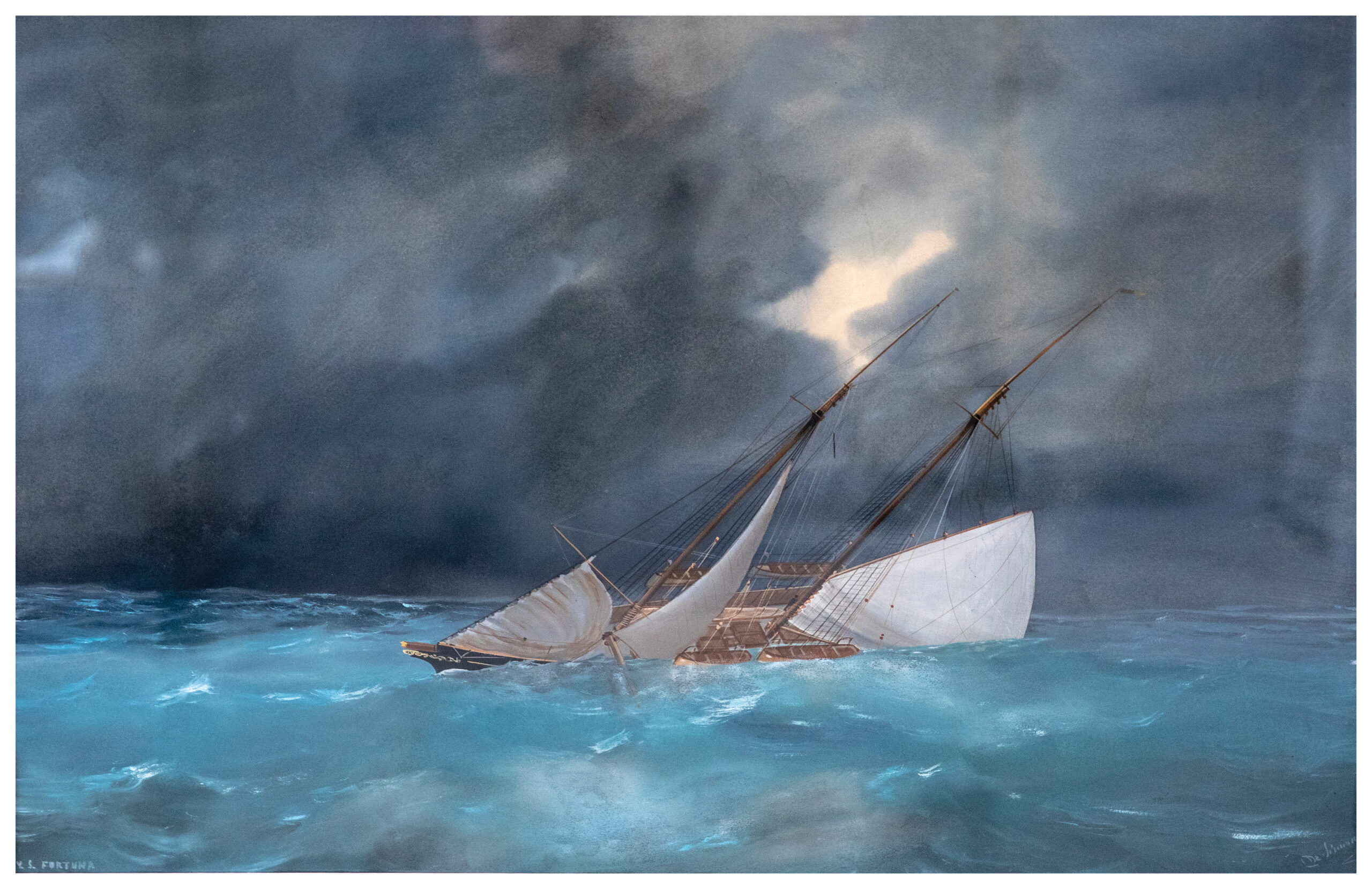
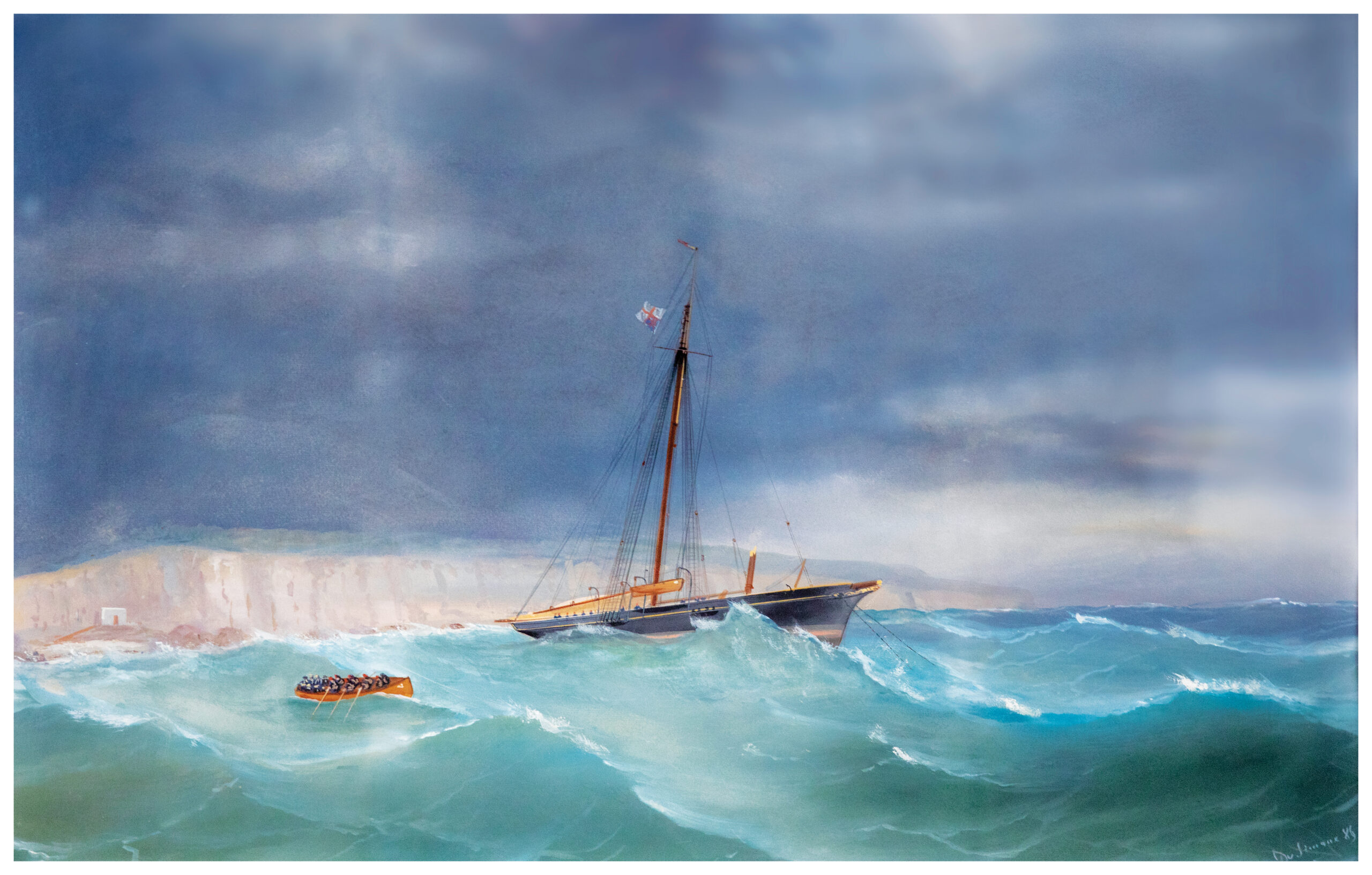
Lifeboat coming alongside; and the crew of the FORTUNA being rowed to shore
Berthon Today — Restoration, Refit, and the Long View
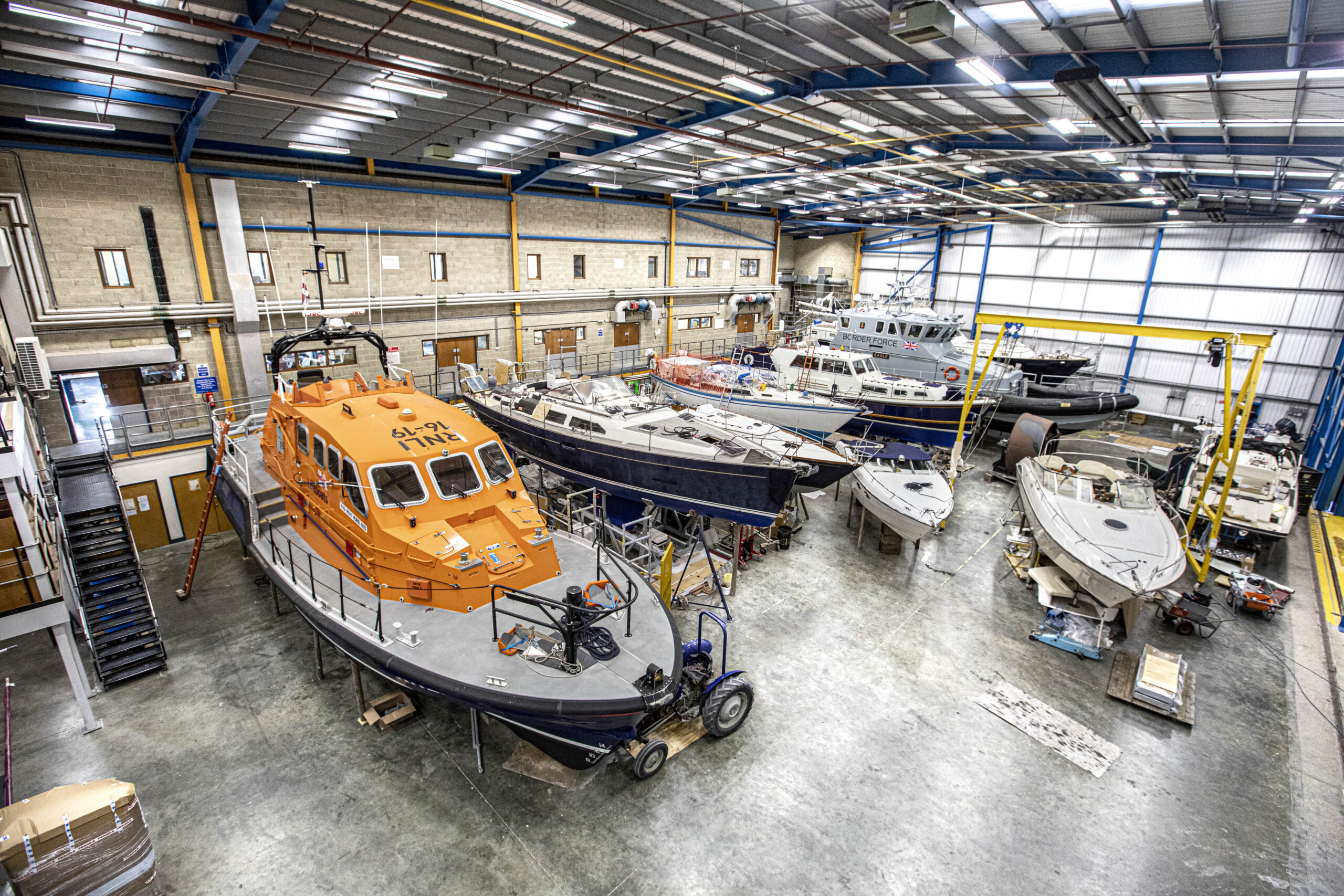
Modern sailing may look very different from the age of schooners and celestial navigation, but the essential relationship between people, boats, and the sea remains remarkably unchanged.
Berthon today continues that tradition through yacht refit, restoration, marina operations, brokerage, and commercial marine work. Wooden classics still arrive alongside modern performance yachts. Pilot vessels share the yard with sailing yachts preparing for another Atlantic crossing.
One recent restoration that perfectly reflects this continuity is Sardonyx.
Built in 1957 to a Fred Parker design at A.H. Moody & Son, Sardonyx carries another quiet Berthon connection: Parker himself began his career with a five-year apprenticeship at Berthon Boat Company in Lymington, where his father worked as a foreman shipwright.

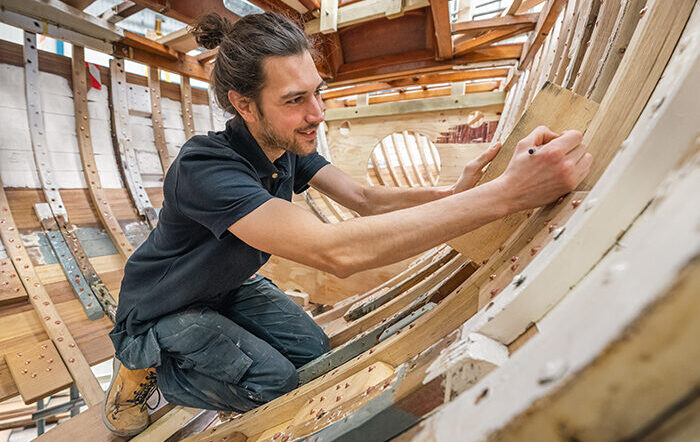
After suffering severe damage during Les Voiles d’Antibes in 2020, flattened during heavy conditions with the boom sweeping violently across the yacht, Sardonyx was trucked to Berthon for a complete restoration.
The work balanced traditional craftsmanship with discreet modern engineering. Mahogany hull planks were renewed and traditionally nailed and roved to laminated oak frames to replace the steamed originals while preserving hull shape. New bronze floor structures were cast. Sustainable elm joinery with boxwood inlays preserved the yacht’s character, while hidden electrical upgrades and a silent waterjet bow thruster ensured she could continue sailing safely for decades to come.
Not preservation as museum object, preservation through continued use. Which perhaps says more about sailing than anything else.
Read more about the SARDONYX refit here
Why Sailing Still Matters
This magical inaugural World Sailing Day should celebrate more than anything else; not just racing results or a polished marina life, but the deeper relationship between people and the sea. The Shipwrights, Engineers, Sailmakers, Painters, Riggers, and others – the project managers, the hoist dockers, the Dockmasters and the Yacht Brokers who help owners find their dream yacht and then sell it when the time comes to buy a larger version as children grow or something to explore the blue waters worldwide. Families who’ve spent generations around harbours and slipways continue to pass stories down generations, along with the people who understand that no matter how advanced boats become, the sea still has the final say. Sailing used to be an inheritage pass to future generations. Today, we see racing on TV and RYA programs and charities that show young and old how to embrace and enjoy the seas.
Why? Because sailing still demands humility. Wind still needs reading. Weather still changes its mind. Boats still creak at night. And every sailor, eventually, becomes aware of how small they really are afloat. The sea remains completely uninterested in ego, status, schedules, or confidence. You can have all the money in the world and still get caught out by tide, exhaustion, bad judgement, or a forecast that suddenly stops behaving. There’s even an international yacht club dedicated to celebrating exactly those kinds of mistakes.
Maybe that’s why people keep coming back to it.
For centuries, people have gone to sea for trade, exploration, work, competition, or simply because something in them refuses to stay ashore. And for nearly 150 years, Berthon has been part of that story. Building, restoring, repairing, launching, and caring for the boats that carry people offshore.
From medieval shipwrights working on Lymington’s “sea oozy land”, to Royal Yacht Squadron schooners bound for the South Atlantic, to classic yachts being restored for another generation under sail, the thread remains unbroken.
World Sailing Day celebrates that thread. And here in Lymington, Berthon is proud to still be part of it.
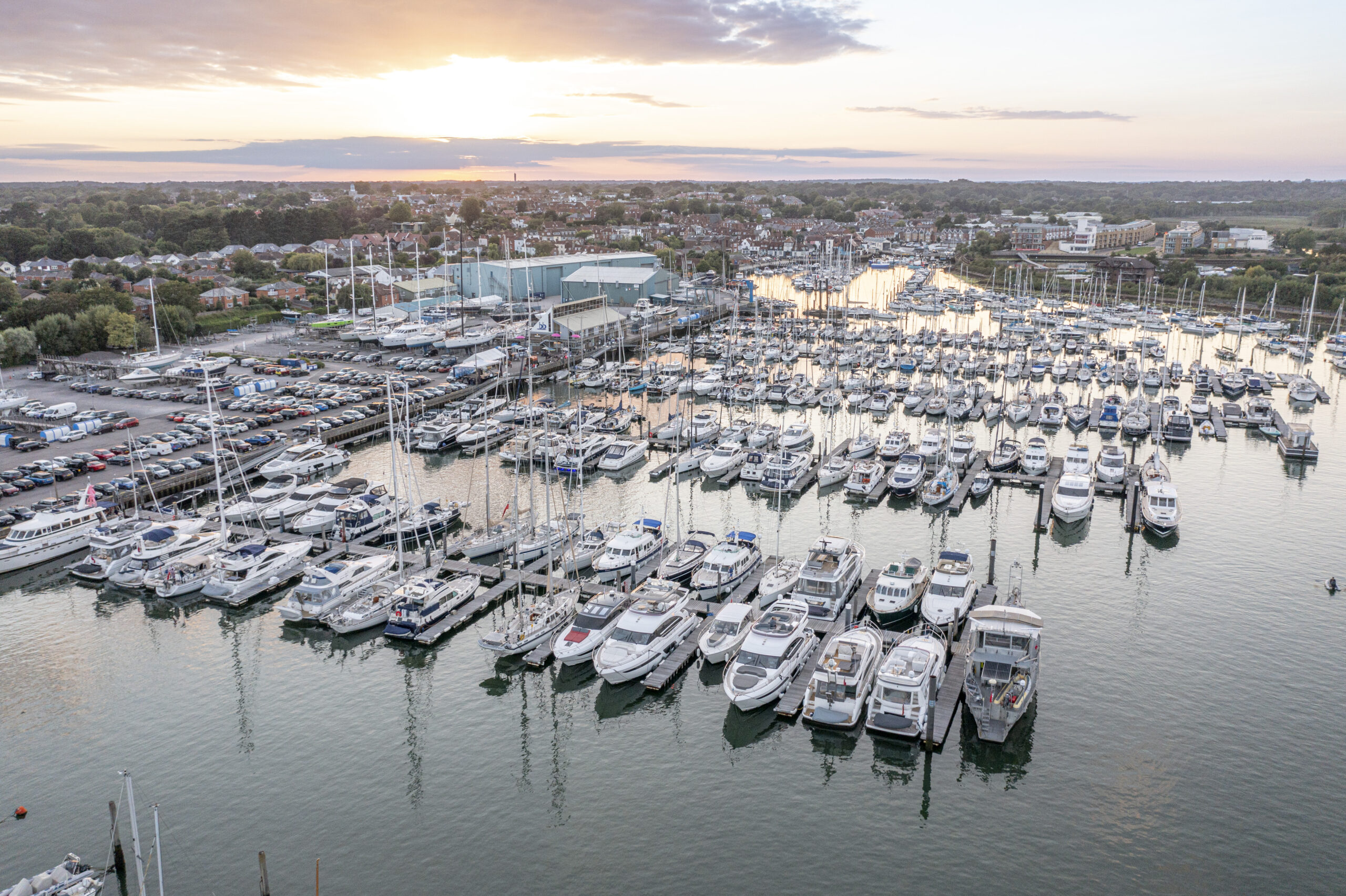
Berthon Lymington Marina
Berthon Lymington Marina offers 300 deep water berths for yachts up to 45 metres (150 feet) length overall. Wide fairways make manoeuvring straightforward, while every berth includes shore power and fresh water. Annual, visitor, and dry sailing options are all available on the Lymington River.
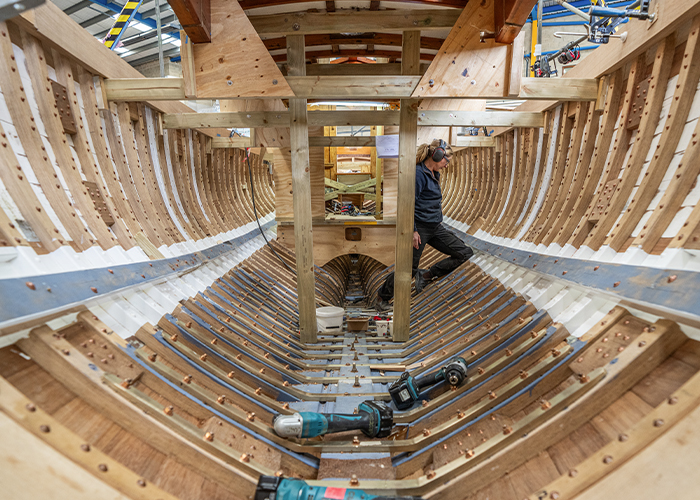
Berthon Boatyard
Berthon Boatyard provides yacht build, refit, maintenance, and restoration services for both leisure and commercial clients. From antifouling and electronics upgrades to full classic restorations, the yard combines traditional craftsmanship with modern marine engineering across vessels up to 45 metres.
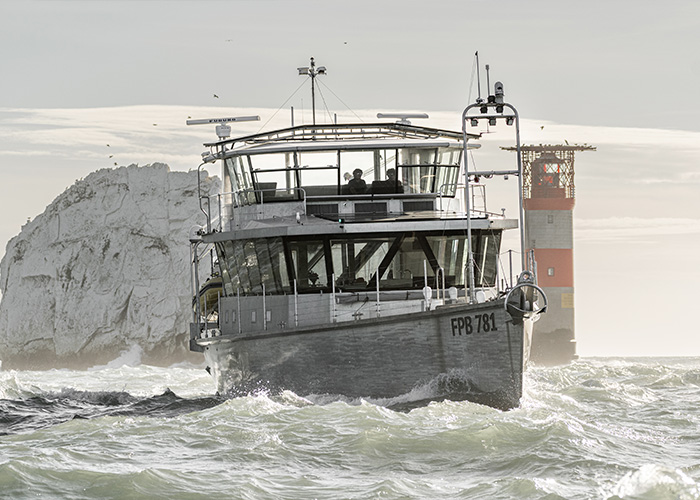
The Berthon Sales Group
The Berthon Sales Group supports clients worldwide through offices in the UK, Scandinavia, Spain, and the USA. The brokerage team specialises in performance yachts, bluewater cruisers, racing yachts, explorer yachts, and motor yachts, offering straightforward advice backed by decades of industry experience.
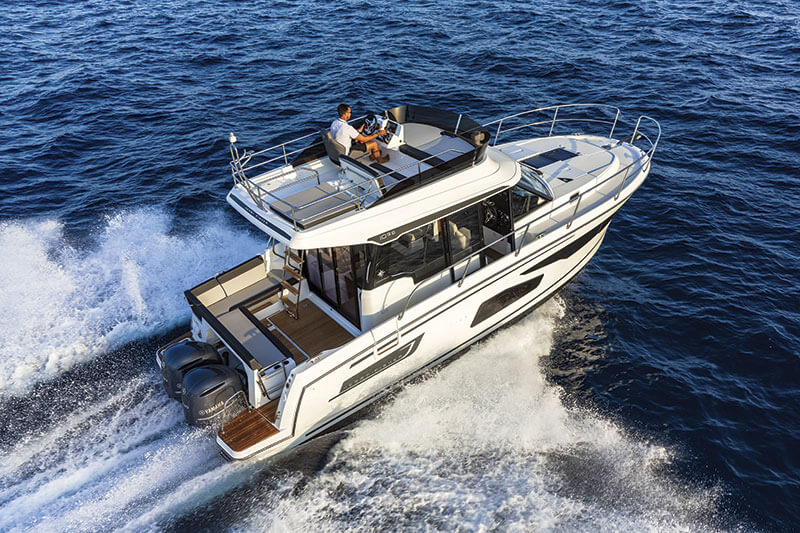
BHG Marine
Founded in 1947, BHG Marine has long been a leading name in outboard-powered powerboats. The team focuses on practical handovers, owner training, and technical support, while also arranging secure boat delivery throughout the UK and Europe.
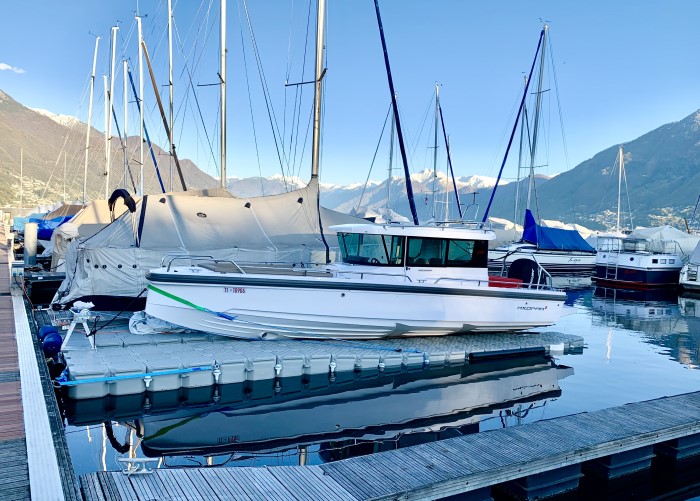
VERSADOCK
VERSADOCK designs modular floating dock and pontoon systems used across six continents and tested in some of the world’s harshest marine environments. Built around flexibility, durability, and ease of installation, the systems support commercial, leisure, and waterfront applications worldwide.
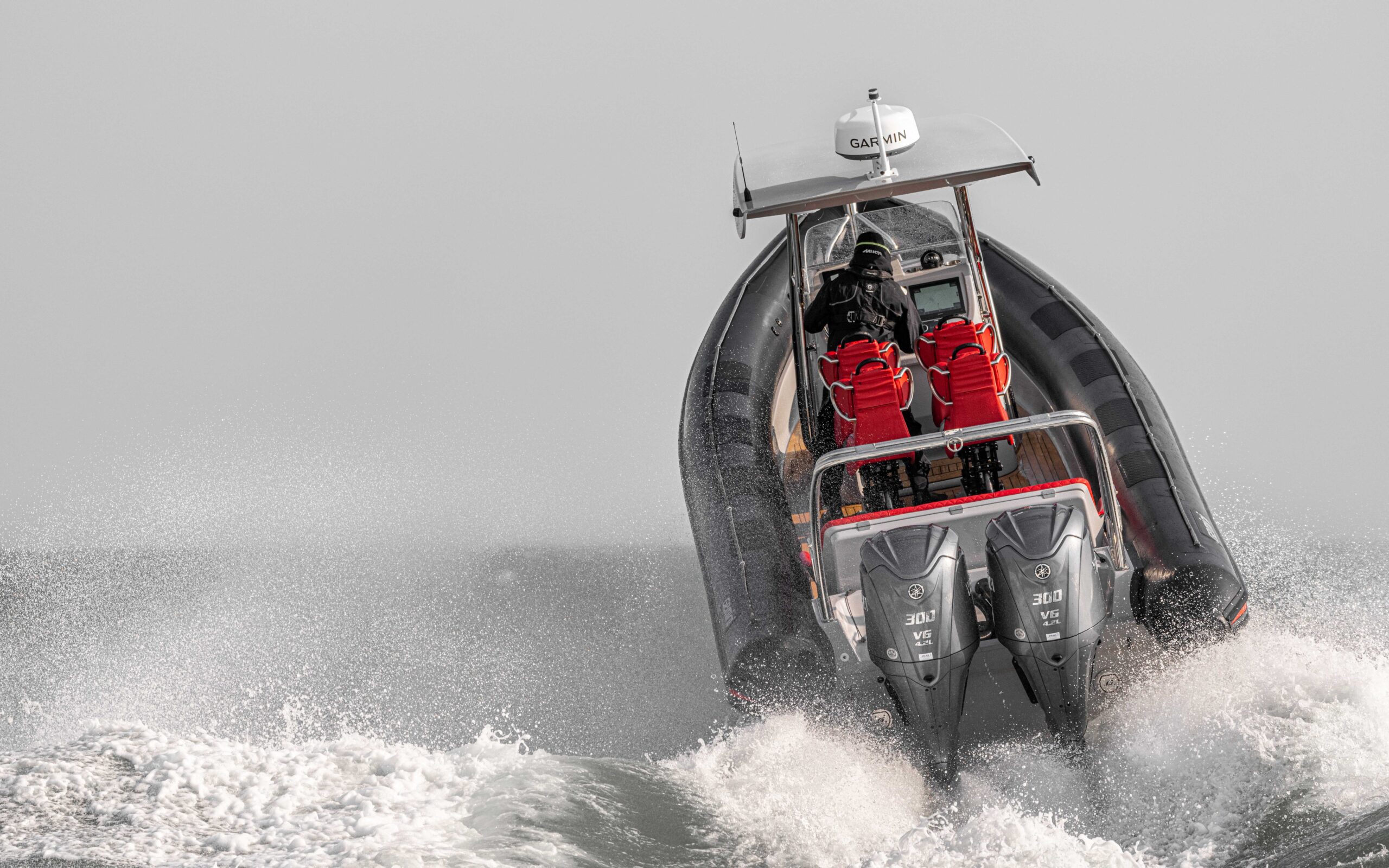
Gemini RIBs
Gemini RIBs are rigged and built at our boatyard by experienced marine engineers and shipwrights. Built around the renowned Gemini hull, they deliver dependable offshore performance, handling, and durability across commercial, military, rescue, and leisure sectors.